
Arizona Geological Society
Big Sandy
Field Program
Basin Evolution, Structural Geology,
and Porphyry Mineralization in Northwestern Arizona
TECHNICAL PRESENTATION
AGS Technical Presentation
The program began with a technical presentation led by Brian Gootee and Dr. Carson Richardson of the Arizona Geological Survey, providing a comprehensive overview of basin evolution, structural geology, and mineralization in the Big Sandy Valley.

The presentation outlined the relationship between Basin and Range extension, Laramide porphyry magmatism, and regional faulting, and introduced the interpretation of the Big Sandy system as the fault-displaced upper portion of a larger porphyry copper system associated with the Diamond Joe pluton.
Presented at Arizona Geological Society Monthly Meeting — April 2, 2024
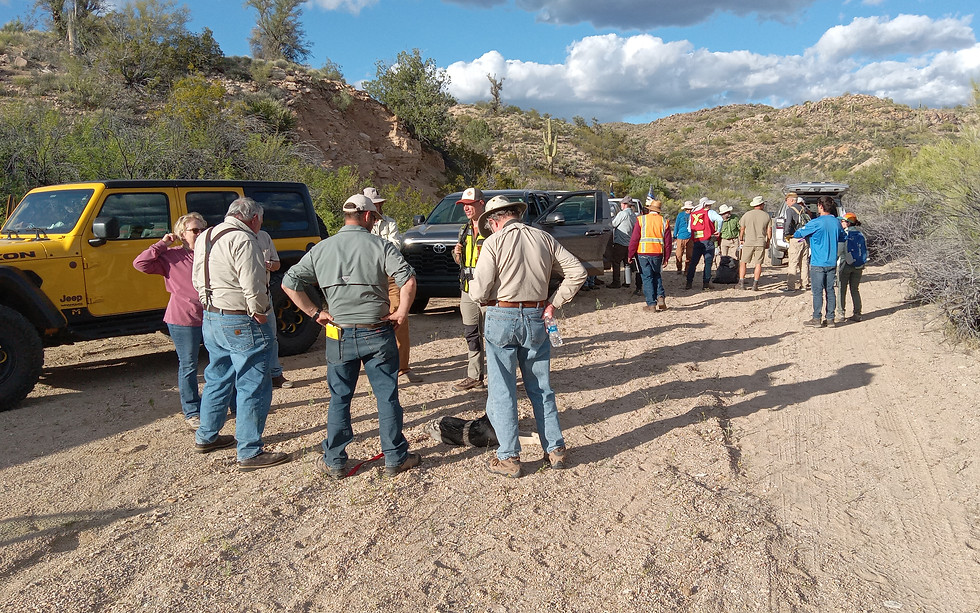
AGS field excursion participants examining basin evolution and structural features in Big Sandy Valley.
FIELD EXCURSION
Part 2 — Field Excursion
APRIL 27–28, 2024 — BIG SANDY VALLEY, ARIZONA
Following the technical session, AGS members and Arizona Geological Survey geologists conducted a field excursion across the Big Sandy Valley. Participants examined critical geological features that define the basin evolution and structural framework of the region.
The trip highlighted direct evidence of Basin and Range extension, fault-displaced porphyry mineralization, and the basin-fill sequences that characterize the Diamond Joe system extension. These field observations reinforce the structural model which interpreted the Big Sandy as the fault-severed upper portion of a large copper system.
Field Observations


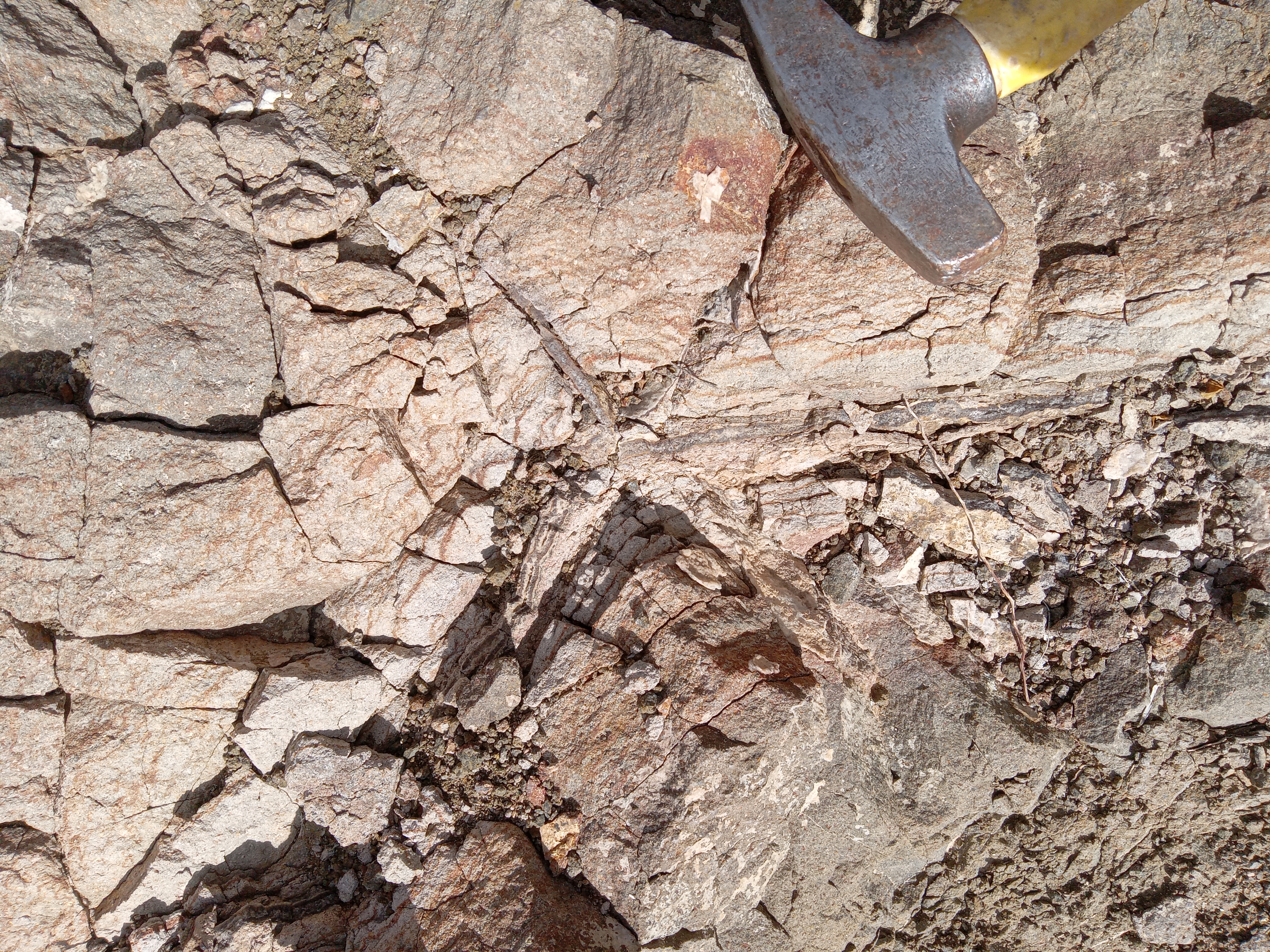
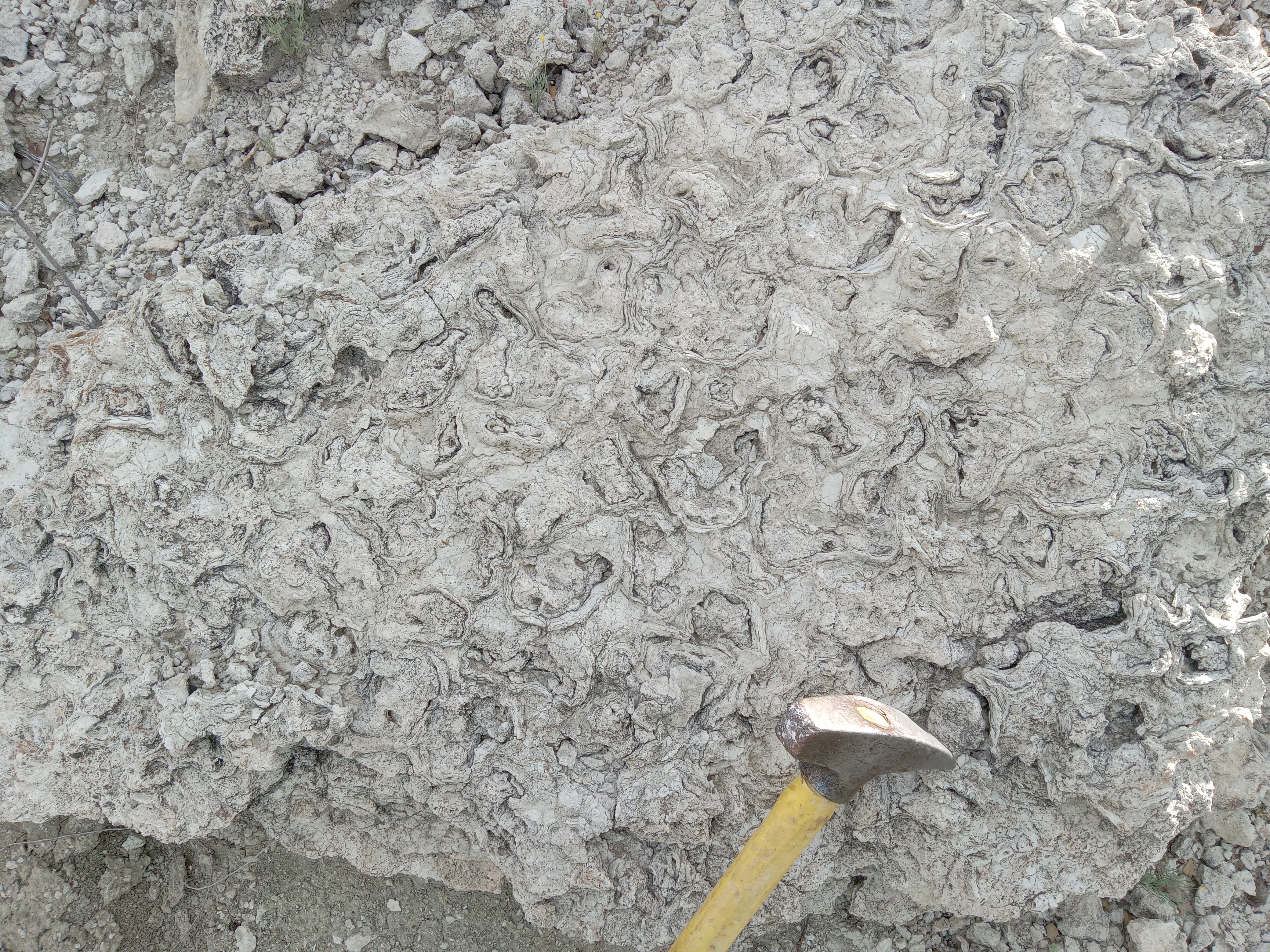
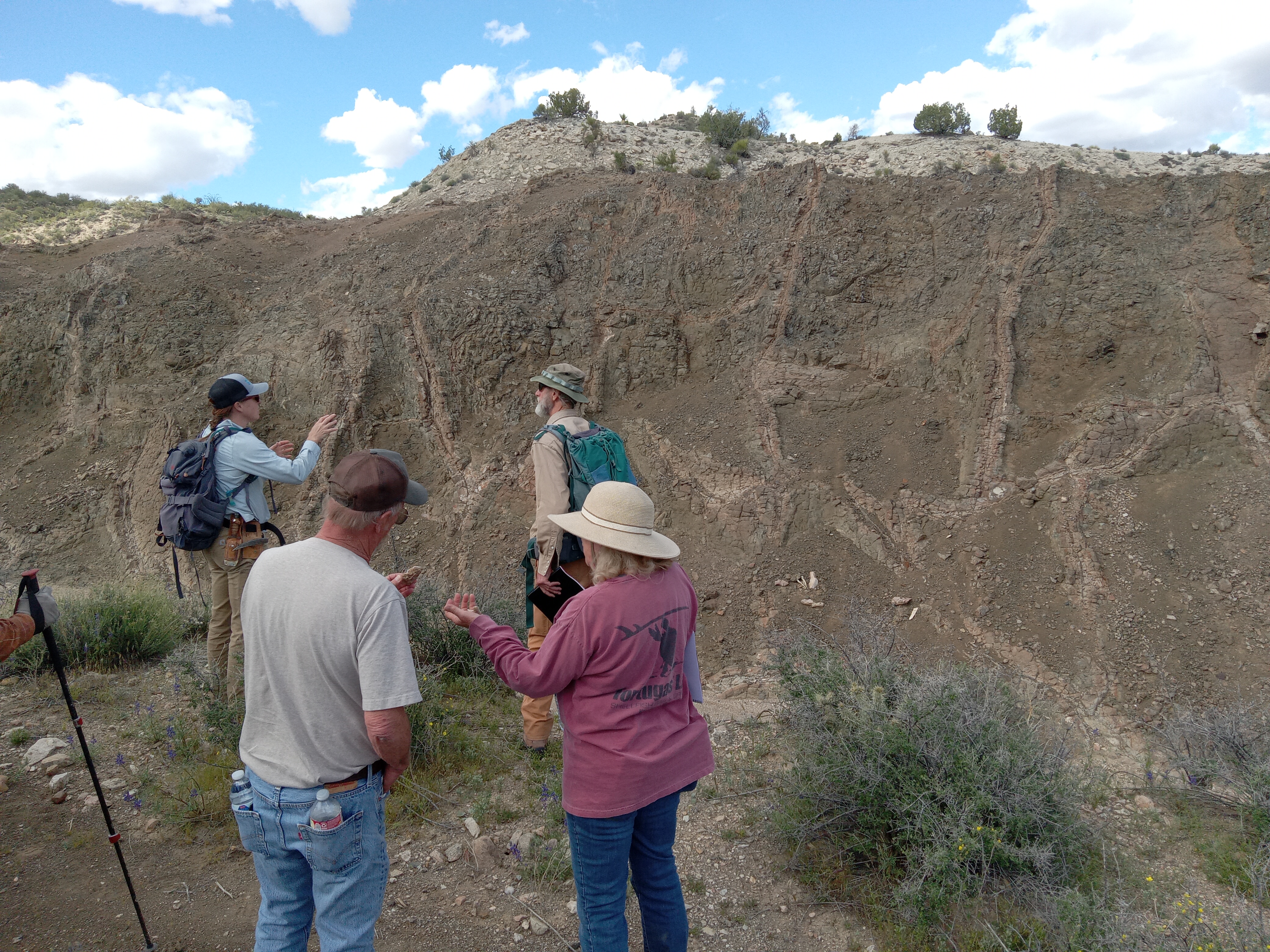
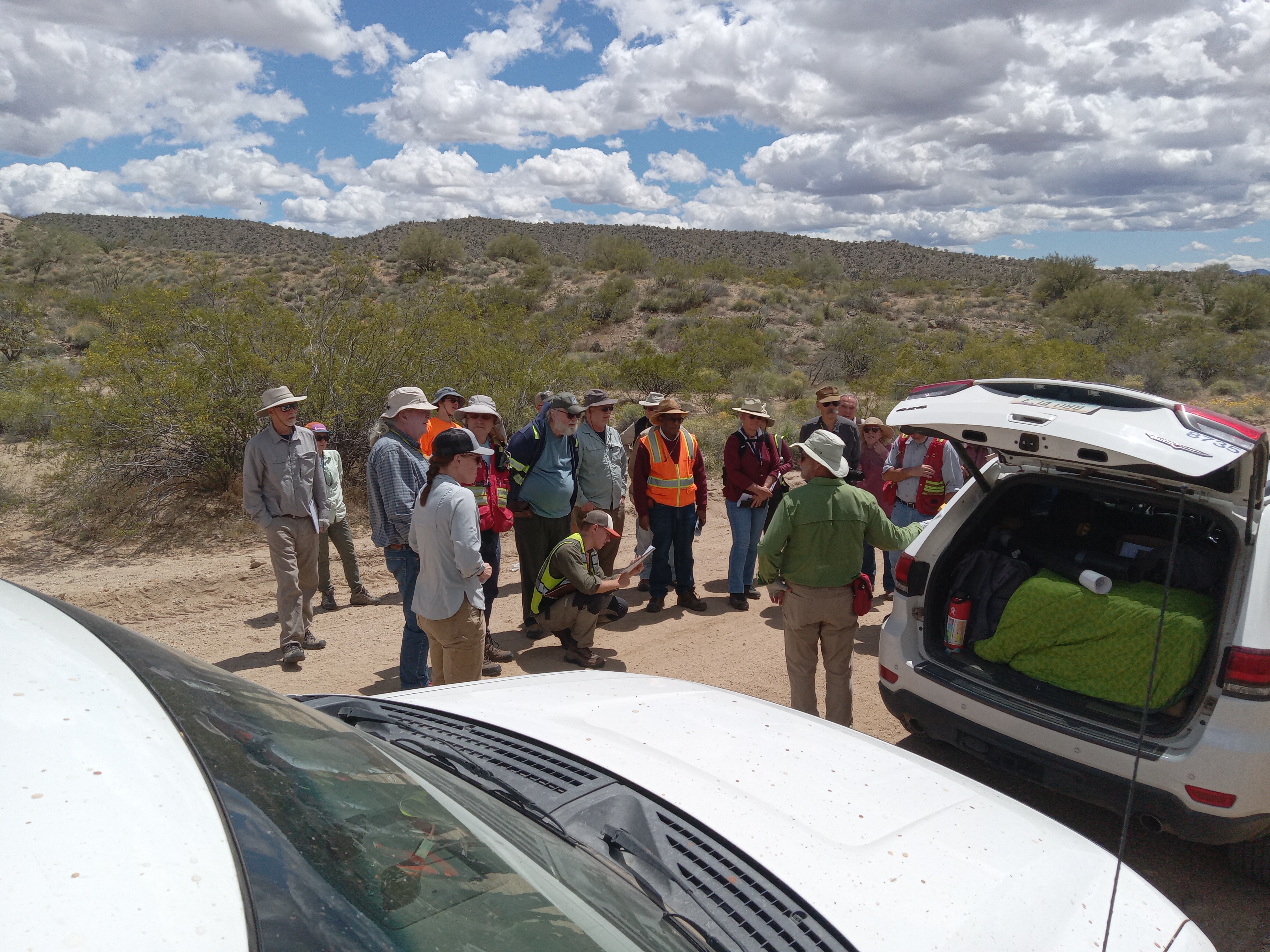
Field observations included exposures of the Tule Wash Formation, basin fill sequences, volcanic units, and fault-controlled structures. These locations provided direct insight into the structural framework and geochemical processes influencing mineralization in the Big Sandy Valley
A key highlight of the excursion was the examination of a fault zone within the Tule Wash conglomerate, where calcite–quartz veining was interpreted as a pathway for deep, saline-rich fluids. These observations support the concept that copper-bearing fluids were transported from depth, reinforcing the exploration model for a concealed porphyry system beneath Big Sandy.